


Find trusted gardeners in Elephant and Castle station area
Posted on 11/10/2026
If you are trying to find trusted gardeners in Elephant and Castle station area, you probably want more than a tidy lawn and a polite smile. You want someone who turns up, understands London gardens, and knows how to work in compact spaces, shared courtyards, rooftop terraces, and the little awkward corners that come with SE1 living. That is fair enough. In a busy part of South London, the right gardener can save you time, money, and a surprising amount of stress.
Whether you need a one-off clear-up, regular garden maintenance, hedge trimming, or a larger landscaping refresh, the goal is the same: hire someone dependable who does the job properly first time. This guide walks you through how to choose well, what to expect, what to avoid, and which services are usually worth considering. No fluff. Just practical guidance you can actually use.
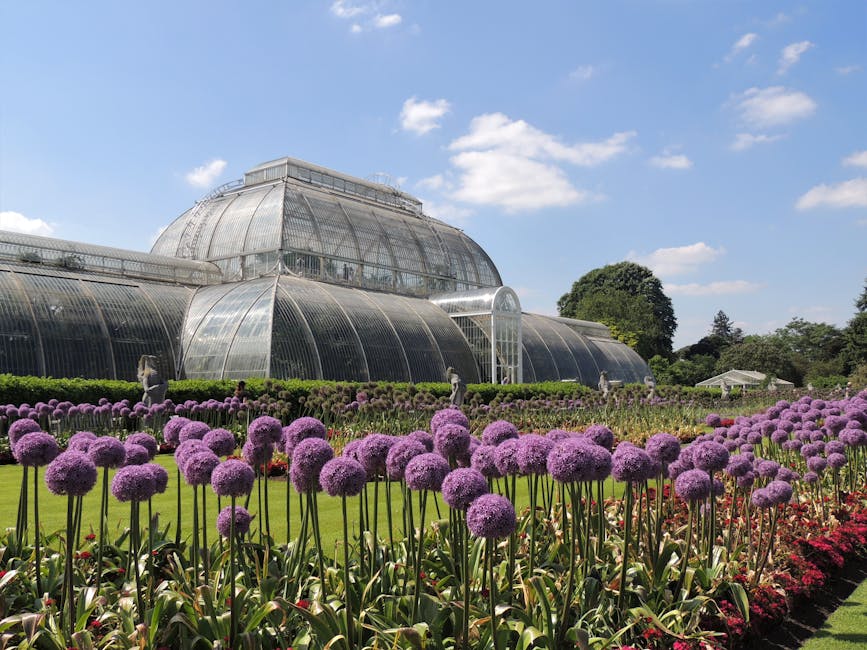
Why Find trusted gardeners in Elephant and Castle station area Matters
Gardening in and around Elephant and Castle is rarely a matter of just mowing a patch of grass and calling it done. Many properties in the area have limited outdoor space, awkward access, mixed planting, or hard landscaping that needs careful handling. A trustworthy gardener does more than cut back growth. They help your outdoor area stay healthy, safe, and presentable through the changing seasons.
Trust matters because a garden is easy to damage when work is rushed. Over-pruning, poor lawn treatment, careless hedge cutting, and aggressive weed control can leave you with bare patches and long recovery times. In a shared or visible setting, that can be annoying fast. If you are near the station, you may also be dealing with dust, shade, foot traffic, wind exposure, or a garden that simply never gets enough time in the sun. These are the details a local gardener should understand.
There is also the simple issue of reliability. To be fair, plenty of people can promise a neat finish. Fewer can actually deliver one every time, keep to agreed timings, and leave the place clean. That is why many residents look for a gardener with a proper service range, sensible communication, and enough local experience to know the difference between a quick tidy and a job that will hold up for weeks.
If you are starting from scratch, it helps to look at a broader range of gardening services in Elephant and Castle so you can match the job to the right skill set rather than hiring blind.
How Find trusted gardeners in Elephant and Castle station area Works
The process is less mysterious than people often think. First, you define what the garden actually needs. That might be routine garden maintenance, seasonal tidy-ups, or something more specific like lawn mowing, hedge trimming, or patio cleaning. If the work is more structural, a gardener may also coordinate landscaping, fencing, or even tree surgery where appropriate.
Then you look at trust signals. Good signs include clear service descriptions, realistic expectations, consistent communication, and a sensible approach to the work. A strong local gardener will usually ask about access, waste removal, sun and shade, pets, parking, and how often the garden gets used. That sort of questioning is a very good sign. It means they are thinking, not just quoting from memory.
In practice, the work usually starts with an assessment. A front garden near the station may need a different plan from a sheltered courtyard behind a flat block. A tidy border might need weeding and mulch. A tired lawn may need lawn care rather than a one-off cut. A neglected space may need something more involved, such as a clear-out followed by planting improvements and a manageable maintenance schedule. That kind of joined-up thinking is what separates a decent gardener from someone who only sees the surface.
Key Benefits and Practical Advantages
Choosing a trusted gardener is not just about aesthetics, though of course a better-looking garden is a lovely thing. The deeper value is in consistency, plant health, and making your outdoor space easier to live with. For flats, terraces, small family gardens, and shared properties, that can make a real difference.
- Better plant health: Correct pruning, feeding, watering, and spacing reduce stress on plants.
- Safer outdoor areas: Regular clearance reduces slippery surfaces, overgrowth, and trip hazards.
- More usable space: A well-kept garden feels bigger. You notice it immediately.
- Less waste and fewer mistakes: A good gardener cuts once, treats once, and leaves fewer avoidable problems behind.
- More predictable upkeep: Ongoing maintenance is usually easier than letting everything grow wild and then panicking in July.
There is also an emotional benefit people often underestimate. Walking into a garden that smells fresh after cutting, with crisp edges and clear paths, just feels easier on the mind. Even a small one. Especially a small one, actually. A tidy outdoor space can become somewhere you drink morning tea, let the children play, or sit for ten quiet minutes before the day runs off with you.
For people planning a longer-term upgrade, a gardener can also support changes that improve privacy, shading, and structure. That may include planting guidance, helping with climbers, or suggesting practical additions such as fast-growing hedges for privacy or ideas from evergreen climbers for shady spaces.
Who This Is For and When It Makes Sense
This kind of service makes sense for a wide range of people, not just homeowners with a big back garden. In Elephant and Castle, the need is often more varied than that.
- Flat owners with balconies or roof terraces: Container plants, climbing structure, and wind exposure all need careful handling.
- Busy families: If the garden becomes a half-finished weekend job, regular maintenance can restore order quickly.
- Landlords and managing agents: A neat outdoor area helps keep properties attractive and avoids complaints.
- Older residents: Heavy lifting, pruning, and clear-up work can become difficult or unsafe to manage alone.
- New movers: If you have inherited a tired garden, a professional reset can save months of trial and error.
It also makes sense when you are not sure what you need yet. Maybe the lawn is patchy, the hedge is overgrown, and the patio has gone green. That is normal. Many gardens need a mixed approach rather than one isolated fix. In those cases, a local gardener can assess the space and recommend a sequence of work instead of trying to do everything in one frantic burst.
If the garden feels neglected, there is a good chance it is not beyond help. A thoughtful plan can revive it step by step, and a lot of people are surprised by how quickly things improve once the right work starts. A bit of patience goes a long way.
Step-by-Step Guidance
If you want to find the right gardener without wasting time, use a simple process. It keeps things calm and makes comparisons much easier.
- List the actual tasks. Write down what needs doing now and what can wait. Split urgent jobs from ongoing care.
- Decide the outcome you want. Are you after a one-off tidy, a seasonal refresh, or a regular schedule?
- Check the service fit. Match the job to the right service, such as hedge trimming, lawn mowing, or landscaping.
- Ask about experience in similar spaces. Small gardens, communal gardens, and paved outdoor areas all need different instincts.
- Confirm what is included. Ask about waste removal, edging, plant waste, and whether tools are supplied.
- Look for clear communication. If the replies are vague before the work starts, they may stay vague after it starts. Not ideal.
- Agree a maintenance rhythm. Some spaces need fortnightly care, others just a seasonal visit and a mid-summer rescue.
A useful trick is to think in layers. First, get the structure right. Then deal with the surface. Then maintain it. That order prevents wasted effort. For example, if a garden needs fencing or pruning before lawn care makes sense, do the heavier work first. If the patio is slippery and the borders are messy, clear the hard surfaces before worrying about decorative touches.
And yes, if a gardener can explain why they are doing something, that is a very good sign. The best ones tend to talk plainly. No theatre. No vague gardening poetry. Just clear, sensible reasoning.
Expert Tips for Better Results
Here is where a lot of people save themselves money and disappointment. A few small decisions make a big difference.
Choose the right service mix, not just the cheapest single job
A cheap one-off cut may seem sensible until the edges, weeds, and overgrowth return two weeks later. If your space needs broader care, bundle services where it makes sense. For example, pair lawn mowing with lawn care, or hedge trimming with border tidy-up. That usually gives a cleaner, longer-lasting result.
Be honest about access and constraints
Is there narrow entry? Shared access? Parking pressure? A terrace with no direct hose connection? Tell the gardener up front. It avoids misunderstandings and helps them bring the right tools.
Think seasonally
Spring and early summer are obvious peaks, but autumn and winter matter too. A little structural work before wet weather arrives can stop problems becoming bigger ones. Wind-resistant fencing, for example, may be worth considering if your garden feels exposed; see what to look for in wind-resistant fence panels.
Use planting to solve problems, not just decorate
Plants can provide screening, soften hard surfaces, and reduce visual clutter. If space is tight, vertical planting and container displays are often more practical than trying to create a full border. A smart gardener will consider that. Sometimes the best design is the one that gives you room to move about.
Keep maintenance realistic
Truth be told, the most beautiful garden in the world is useless if nobody can keep up with it. Choose plants and finishes that suit the time you actually have. Low-maintenance doesn't have to mean dull. It just means sensible.
![A lush, well-maintained urban park featuring a vibrant green lawn bordered by a variety of mature trees with fresh, leafy foliage in different shades of green. The grassy area is evenly trimmed with a smooth surface, and several paved pathways crisscross the park, encouraging leisurely walks. In the background, a historic stone castle with two prominent towers rises above the trees, contrasting the greenery with its weathered, textured stones. The sky above is bright with scattered fluffy white clouds, and the sunlight illuminates the scene, highlighting the textures of the soil, grass, and leaves. Visible gardening elements include neatly pruned trees and a general sense of outdoor maintenance, reflecting the efforts of garden maintenance professionals possibly engaged by [COMPANY_NAME] to preserve the park's tidy and inviting appearance. Public benches and trash bins are strategically placed along the pathways, inviting visitors to sit and enjoy the scenery. This setting demonstrates typical landscaping work aimed at maintaining a clean, attractive environment in an urban outdoor space near a historic landmark.](/pub/blogphoto/find-trusted-gardeners-in-elephant-and-castle-station-area2.jpg)
Common Mistakes to Avoid
Some mistakes come up again and again, and most are completely avoidable.
- Hiring on price alone: The lowest quote can become the most expensive option if the work is rushed or incomplete.
- Not defining the task: "Tidy the garden" is too vague if you really need hedge shaping, weed removal, and patio cleaning.
- Ignoring site conditions: Shade, drainage, wind, and access all change the job.
- Skipping maintenance after the first visit: A one-off rescue is useful, but ongoing care protects the result.
- Overestimating what one service can do: A gardener may be able to do a lot, but not every job is the same discipline.
One subtle mistake is assuming every garden problem needs plant replacement. Sometimes the issue is simply maintenance, timing, or better structure. Other times, the soil, layout, or light levels are wrong and need fixing first. A good gardener should be able to tell the difference without making a drama of it.
Another one: forgetting the boring bits. Waste, edging, debris, and final clean-down matter. A garden can look technically finished and still feel messy if those details are left behind.
Tools, Resources and Recommendations
You do not need to become a gardening expert yourself, but it helps to understand the basics of what a professional gardener may use or recommend. That way, you can judge whether the plan sounds sensible.
- Pruning tools: Used for shaping hedges, shrubs, and small trees.
- Lawn equipment: Important for cutting, edging, and surface consistency.
- Weed-control methods: Manual removal, mulching, and careful treatment all have a place.
- Soil improvers and compost: Useful when beds look tired or plants are not thriving.
- Pressure or jet cleaning equipment: Helpful for patios and paving when surfaces become stained or slippery.
For practical reading and planning, these guides can also help shape ideas for your garden:
- essential tools for a beautiful outdoor haven
- three sensible weed-control suggestions
- how organic waste can support healthier landscapes
- rejuvenating a tired and neglected garden
- budget-friendly, easy-care garden ideas
If you like a garden that feels calm and usable rather than overworked, it is worth browsing ideas for harmony and balance in outdoor spaces too. That kind of thinking often leads to better decisions than chasing trends.
Law, Compliance, Standards, and Best Practice
In the UK, garden work can touch on safety, waste handling, protected plants or trees, neighbour considerations, and sometimes access rights. A trustworthy gardener will not overstate what they can do or skip safety basics because they are in a hurry. That matters.
For example, heavier work such as tree cutting, high hedge reduction, or structural fencing should be planned carefully. If a job involves larger trees, shared boundaries, or anything that could affect neighbours, it is wise to discuss the scope clearly beforehand. Good practice also includes sensible personal protective equipment, tidy work areas, and proper disposal of garden waste where needed.
If a gardener is working near shared paths, communal entrances, or tight access points, they should think about trip hazards, noise, and leaving surfaces safe and clean. No one wants a pile of cuttings blocking the way home at 6pm. That sort of thing creates avoidable friction very quickly.
Best practice also means being realistic about specialist work. A general gardener can handle many tasks, but larger trees, complex fencing, or more ambitious landscaping may need a broader plan. Ask questions. Good professionals are usually happy to explain what they can do, what should be left alone, and what needs a different approach.
Options, Methods, or Comparison Table
Different gardens need different approaches. Here is a straightforward comparison that helps you decide what kind of help fits best.
| Option | Best for | Strengths | Watch-outs |
|---|---|---|---|
| One-off tidy-up | Neglected gardens, move-in or move-out clean-ups, seasonal resets | Fast improvement, simple to book, useful for urgent jobs | Does not maintain the result on its own |
| Regular maintenance | Busy households, landlords, managed properties, ongoing care | Predictable appearance, fewer emergencies, healthier growth | Needs consistency and a realistic schedule |
| Targeted specialist work | Hedges, lawns, patios, fences, trees, planting schemes | Better results for specific problems | May need more than one visit or trade area |
| Full redesign or landscaping | Major layout changes, tired spaces, awkward plots | Transforms how the space feels and functions | Requires clearer planning and a bigger budget |
As a general rule, if your garden is basically sound but messy, maintenance is the best starting point. If it feels awkward or unworkable, landscaping may be the smarter move. And if the surface areas are the main issue, services such as decking or patio cleaning may make a far bigger difference than replanting everything.
Case Study or Real-World Example
Here is a realistic example. A small SE1 property near the station had a back garden that looked, frankly, exhausted. The lawn was patchy, the hedge was leaning into the walkway, and the patio had gone slippery after a wet spell. Nothing was broken, but the whole space felt hard to use.
The sensible fix was not to rip everything out. First, the hedge was cut back to restore light and clearance. Then the lawn was treated with proper lawn care rather than just a quick mow. The patio was cleaned so it stopped looking dark and tired. After that, a few structure-led planting choices helped the area feel calmer and less cramped. Nothing dramatic. Just the right sequence.
The result was not a magazine makeover, and it did not need to be. The garden became usable again. More importantly, it became easier to keep that way. That is often the real win with trusted gardeners: they do not just make things look better for a day, they make ongoing care simpler.
That sort of practical improvement is exactly why many people start with a proper look at the team's background and approach before booking any work.
Practical Checklist
Use this checklist before you book anyone. It is simple, but it saves bother.
- Have I clearly listed the jobs I need done?
- Do I know whether I need maintenance, a one-off tidy, or a larger project?
- Have I checked whether the gardener handles the specific work required?
- Have I explained access, parking, and any shared-area restrictions?
- Do I understand what is included in the price or visit?
- Have I asked about waste removal and final clean-up?
- Have I thought about the season and whether timing matters?
- Do I want a plan for regular visits after the first job?
- Have I checked for clear communication and sensible explanations?
- Does the proposal feel realistic, not suspiciously vague or too good to be true?
If you can answer yes to most of those, you are in a much better place. Not perfect, maybe, but properly informed. That counts for a lot.
Conclusion
To find trusted gardeners in Elephant and Castle station area, focus on fit, clarity, and consistency. The best choice is usually not the flashiest one. It is the gardener who understands your space, explains the work plainly, and leaves you with a garden that is easier to enjoy and easier to maintain.
Start with the tasks you need most, compare services carefully, and look for someone who treats the space as if it matters. Because it does. Whether your garden is a tiny courtyard, a shared outdoor area, or a larger patch that has got away from you, the right help can make it feel usable again without turning it into a project you resent every weekend.
Get a free quote today and see how much you can save.
And if you take one thing away from this guide, let it be this: a good garden does not happen by accident. It is usually the result of steady care, decent judgement, and a gardener who knows the local ground under their boots.

With a talent for organization and meticulous attention to detail, Sydnee has established herself as a skilled professional gardener. Her contributions as an author have enriched the lives of many by enhancing their gardens.