


Garden services for Elephant Park balconies and courtyards
Posted on 12/11/2026
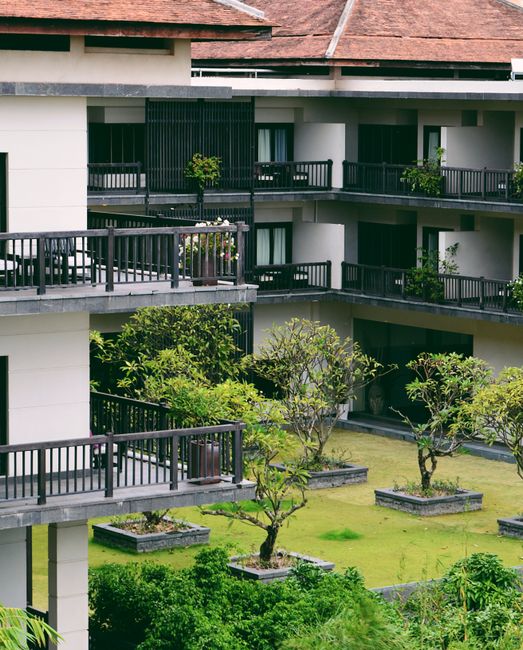
If you live in Elephant Park, you already know the appeal: private outdoor space in the middle of London, right outside your door. But balconies and courtyards are different beasts from traditional gardens. They get wind, shade, reflected heat, awkward corners, drainage issues, and sometimes a lot of "this looked bigger on the plan" energy. That is exactly where Garden services for Elephant Park balconies and courtyards make a real difference. Done properly, they turn compact outdoor areas into calm, practical, attractive spaces that feel lived-in rather than squeezed-in.
This guide covers how the service works, what to expect, who it suits, and the common mistakes that waste time and money. It also includes a useful checklist, a comparison table, and a realistic example of what a small-space transformation can look like when the details are handled well. No fluff. Just the stuff that matters when you want your balcony or courtyard to feel genuinely usable.
Why Garden services for Elephant Park balconies and courtyards Matters
Elephant Park homes often come with outdoor spaces that are valuable but not always easy to manage. A balcony may be exposed to wind and overlooking neighbours. A courtyard might be shaded by surrounding buildings, with limited soil depth and a surface that needs regular cleaning. So the challenge is not simply "make it pretty." It is making it work day to day, in all seasons, without creating extra hassle.
That is why professional garden services are so useful in this part of London. A well-designed balcony garden should be light enough for the structure, resilient enough for changing weather, and tidy enough to keep the whole area easy to enjoy. A courtyard garden, meanwhile, needs a good balance of planting, drainage, hard landscaping, and access. If any one of those is off, the whole space can start to feel awkward. And let's face it, once a space feels awkward, people stop using it.
Good garden care also protects long-term value. Plants that are chosen badly can become patchy, leggy, or constantly stressed. Surfaces can stain. Decking can get slippery. Containers can crack or tip. In a busy development, a small oversight can quickly become a repeated problem. The right service approach reduces that risk and keeps things looking intentional, not improvised.
In practical terms, these services matter because they bring specialist judgement to small-space design. They help you choose the right plants for shade, sun, and wind. They help with seasonal clean-ups, pruning, and planting refreshes. They can also support hard features like balcony decking improvements or even broader outdoor layout changes through landscaping support for compact spaces. That combination of plant care and structure is what makes a balcony or courtyard feel finished.
How Garden services for Elephant Park balconies and courtyards Works
The process usually starts with a look at the space itself. Not a glossy vision board. The real space. Its size, orientation, wind exposure, privacy levels, surfaces, drainage, and how you actually use it. A good gardener will ask what the space needs to do. Is it for morning coffee? Herbs? Family seating? A calm green backdrop? Pet-friendly use? A bit of everything?
From there, the work is usually split into a few connected stages:
- Assessment - checking light, wind, access, safety, and the condition of pots, rails, paving, or built-in planters.
- Design or refresh plan - deciding whether the space needs a simple tidy-up, new planting, structural changes, or maintenance scheduling.
- Preparation - clearing dead growth, cleaning surfaces, improving soil, and replacing tired containers or broken supports.
- Plant selection and placement - choosing the right species, pot size, and arrangement for the conditions.
- Finishing and aftercare - watering routines, feeding, pruning, and seasonal adjustments.
For courtyards, this may include surface cleaning and the practical side of access routes, seating zones, and privacy screening. For balconies, it often means working with weight limits, drainage, and wind-resistant planting. If the balcony has a lot of hard surface, services like patio cleaning for outdoor surfaces can make an immediate difference before any planting goes in.
In a lot of cases, the service is not one big dramatic overhaul. It is more like a series of smart corrections. A better planter here. A stronger trellis there. A few plants swapped out because they hated the shade. Small changes, yes, but they add up fast.
Key Benefits and Practical Advantages
Well-managed balcony and courtyard gardens do more than look nice in photos. They improve how the space feels and how often it gets used. That sounds obvious, but it is the whole point.
- Better everyday use - a neat, practical space is far more likely to become part of your routine.
- Less maintenance stress - suitable planting and sensible materials reduce constant repairs and rescue jobs.
- Improved privacy - screening can make a shared-facing balcony feel calmer and more personal.
- More resilient planting - the right species handle urban conditions far better than "looks good in the shop" choices.
- Safer surfaces - good cleaning and layout reduce slips, build-up, and clutter.
- Seasonal flexibility - a smart setup can be refreshed for winter, spring, or summer without starting over.
There is also a quiet emotional benefit. A well-kept courtyard or balcony gives you a place to step outside, breathe, and reset without leaving home. You notice the morning light on the leaves. You hear the city outside, but it feels further away for a minute. That kind of small daily pause matters more than people admit.
From a design perspective, the right mix of planting, structure, and maintenance can also make a space feel larger. Vertical planting, layered containers, and clear sightlines are especially useful. If you want to explore more compact-friendly planting ideas, the guide on creating a vertical oasis is a helpful companion read.
Who This Is For and When It Makes Sense
This kind of service is ideal for residents who want their outdoor space to work properly, not just sit there looking promising.
It makes sense if you are:
- a homeowner or tenant with a balcony that feels too windy, too bare, or too busy
- someone with a courtyard that has become tired, patchy, or difficult to keep tidy
- a busy professional who wants a low-maintenance setup rather than another weekend chore
- a family wanting a safer, more usable outdoor area
- a property manager dealing with common outdoor spaces that need regular care
- someone who wants a more private, restful environment without a full redesign
It also makes sense after a move-in, before a summer hosting season, or when a space has simply drifted into neglect. Truth be told, most gardens do not "fail" all at once. They just slowly become the place where the broken chair lives, then the dead herb pot, then the one corner nobody mentions. That is usually the moment to act.
If your outdoor area includes simple green edges, a routine tidy-up from garden maintenance specialists can be the easiest starting point. If it needs a more complete rethink, broader gardening services in Elephant and Castle SE1 may be more suitable.
Step-by-Step Guidance
Here is the cleanest way to approach a balcony or courtyard project without overcomplicating it.
- Measure the usable space
Not just the overall size. Measure where pots, furniture, railings, and planters can actually sit without blocking access. - Study the conditions
Notice when the sun hits, where wind funnels through, and which corners stay damp or shaded. Even a quick lunchtime check can tell you a lot. - Decide the main job of the space
Do you want dining, growing herbs, soft planting, privacy, or a calm place to sit? A space trying to do everything usually ends up doing nothing particularly well. - Clear and clean
Remove dead plants, sweep debris, clean hard surfaces, and deal with moss or algae where needed. - Choose structure before styling
That means screens, planters, trellises, seating, and surface finishes before you obsess over the prettiest flower. - Select plants for the site, not your mood
Shade-loving, drought-tolerant, wind-resistant, evergreen, pollinator-friendly - the right plant is the one that survives happily. - Arrange in layers
Use a mix of tall, mid-height, and trailing plants so the space has depth rather than a flat row of pots. - Set a maintenance rhythm
Regular watering, feeding, pruning, and seasonal refreshes keep the space from slipping back.
If the site needs privacy screening or soft barriers, it is worth looking at fencing options for privacy and wind control as part of the overall plan. In exposed spots, that can be a game changer. A balcony that used to feel like a wind tunnel suddenly becomes usable. Simple, but effective.
For people who like a more curated result, it can also help to think in zones: one area for sitting, one for planting, one for storage. Even a tiny courtyard can work this way if the layout is carefully handled.
Expert Tips for Better Results
Some of the best results come from a few very ordinary decisions made well. Nothing flashy. Just good judgement.
- Use heavy or well-weighted containers on exposed balconies so they do not shift or tip in strong gusts.
- Prefer evergreen structure if you want the space to look decent in winter as well as summer.
- Mix textures - glossy leaves, soft grasses, and simple flowers often look more sophisticated than a jumble of random colours.
- Keep one clear focal point such as a statement planter, bench, or trellis. Too many focal points, and the eye gets tired.
- Do not crowd the floor space. Small gardens need breathing room more than big ones do.
- Plan for watering access. If watering is awkward, the garden will suffer. It is that straightforward.
- Refresh soil regularly in containers because balcony planting depends heavily on good compost and nutrient balance.
One useful approach is to pair soft planting with smart hardscape elements. A cleaned courtyard surface, a simple deck area, or a well-placed seating zone gives the planting a proper stage. If that sounds like your sort of project, the page on balcony decking services shows how structure can support the planting rather than competing with it.
And a small note from experience: avoid making everything precious. If every pot feels like a museum piece, you stop enjoying the garden. Better to have one or two standout features and the rest easy to live with. A garden should invite use, not nervousness.
Common Mistakes to Avoid
Balcony and courtyard gardens fail for predictable reasons. The good news is that most of them are avoidable.
- Choosing plants for the picture, not the conditions - a sunny-market plant may struggle badly in shade or wind.
- Ignoring weight and drainage - this matters more on balconies than people think.
- Overfilling the space - too many pots make even a large courtyard feel cramped.
- Using fragile materials - some finishes age badly in exposed urban settings.
- Forgetting maintenance access - if you cannot reach the back of the planter, pruning becomes a chore.
- Skipping seasonal care - balconies and courtyards need changes through the year, not one-off attention.
- Underestimating shade and wind - both can completely change how a planting scheme performs.
One of the most common issues is overconfidence with "easy" plants. People buy a few containers, place them in the brightest spot, and then realise the wind has different plans. If you want longer-lasting structure, it helps to learn from resilient planting ideas such as those in ground cover plant suggestions for tougher spaces or evergreen climbers for shaded areas.
Another common mistake? Thinking the work ends once the plants are in. Nope. That is the beginning. A small, well-kept space usually beats a bigger one that is left to its own devices.
Tools, Resources and Recommendations
You do not need a shed full of gadgets to manage a balcony or courtyard properly, but a few sensible tools make life much easier.
- Lightweight watering can or hose attachment for easy container watering
- Secateurs for trimming herbs, climbers, and seasonal growth
- Hand trowel and cultivator for potting and soil refreshes
- Broom and dustpan for regular sweeping of hard surfaces
- Microfibre cloths and gentle cleaning products for railings, pots, and furniture
- Weather-resistant ties and supports for taller plants and climbers
- Quality compost and mulch to help containers retain moisture
For people who want a stronger mix of practical and decorative planting, the article on herb garden ideas is especially useful. Herbs suit balconies well if they get enough light and the drainage is right. They also make the space smell better, which is a small thing until you notice it every morning.
If you are preparing a space for children or pets as well as plants, it is worth reviewing layout carefully. A courtyard can look lovely but still be clumsy if the pathing, seating, and planting edges are in the wrong place. The article on outdoor spaces for pets and plants is a good reference point for that kind of balancing act.
There is also a place for professional support when the space needs more than upkeep. That might mean tree work for overhanging branches, a stronger privacy boundary, or a longer-term layout improvement through tree surgery services. If a tree is affecting light or safety, sorting that properly can transform the courtyard below.
Law, Compliance, Standards, or Best Practice
For balcony and courtyard work, compliance usually comes down to practical safety rather than anything overly dramatic. Still, it should be taken seriously. Balcony spaces, in particular, can be affected by structural loading, drainage, fire safety considerations, and access requirements. If you are adding large planters, raised beds, heavy screening, or decking, it is wise to check that the design remains suitable for the building and the intended use.
Good practice in the UK typically includes:
- avoiding excessive weight on balcony structures
- keeping drainage routes clear so water does not pool
- using stable, wind-aware planting and fixings
- not blocking escape routes, doors, or shared access areas
- using tidy, secure installations rather than improvised fixes
For courtyards in communal settings, shared access and neighbour consideration matter too. Loud work, debris, overspill from watering, and access disruption should all be handled with care. A decent maintenance plan prevents minor frustrations from becoming awkward conversations. Nobody wants that.
When in doubt, the safest approach is conservative: choose lighter containers, simpler installations, and durable materials that suit urban conditions. It is better to have a modest setup that works for years than a dramatic one that causes headaches after the first storm.
Options, Methods, or Comparison Table
There is no single right way to improve a balcony or courtyard. The best method depends on what is already there, how you use the space, and how much ongoing upkeep you can realistically manage.
| Approach | Best for | Strengths | Trade-offs |
|---|---|---|---|
| Container planting | Balconies and flexible courtyards | Easy to rearrange, good for small spaces, simple to refresh seasonally | Needs regular watering and feeding |
| Structured landscaping | Courtyards needing a more defined layout | Creates clear zones, improves flow, looks polished | Usually involves more planning and cost |
| Decking and seating zones | Spaces used for relaxing or entertaining | Makes the area feel finished and usable | Needs proper cleaning and maintenance |
| Privacy screening | Overlooked or exposed spaces | Improves comfort and reduces visual clutter | Must be chosen carefully for wind and weight |
| Low-maintenance planting | Busy homeowners and landlords | Less ongoing work, better resilience | Can look a little restrained if overdone |
If your goal is easy upkeep, the low-maintenance route often wins. If your goal is a more social, welcoming space, you may want to combine decking, seating, and planting. There is a strong guide on stylish garden seating areas that fits well with this kind of thinking.
Case Study or Real-World Example
Here is a realistic example based on the type of project that comes up often in Elephant Park.
A resident has a compact courtyard with old paving, a few tired pots, and one evergreen that never quite took off. The space feels usable in theory, but in practice it gets ignored. The courtyard is shaded in the morning, gets a burst of reflected warmth in the afternoon, and has a narrow access point that makes larger items awkward. Not unusual at all.
The project begins with clearing out the dead containers, washing the paving, and checking where water gathers after rain. The layout is then simplified. One seating corner is kept. A more durable planter system is added along the edge. Shade-tolerant plants and a few climbers are used to create height without crowding the floor. A screening element softens the view from nearby windows. The result is not a dramatic makeover in the show-home sense. It is better than that. It is a courtyard that gets used.
A similar balcony version might involve replacing flimsy pots with stable containers, adding vertical planting, and choosing wind-hardy species so the space does not look battered after every blustery week. A small seating foldaway set can then fit comfortably without making the balcony feel cramped. You can almost feel the difference when you step outside. More calm, less clutter.
The useful lesson here is simple: the best garden service is often the one that makes a space easier to live with, not just nicer to look at.
Practical Checklist
Use this before any balcony or courtyard garden work begins.
- Measure the space carefully, including access points
- Check sun, shade, and wind exposure at different times of day
- Confirm drainage is working properly
- Decide whether the main goal is seating, planting, privacy, or all three
- Remove dead plants, debris, and clutter
- Choose containers that are stable and appropriate for the space
- Pick plants that suit the actual conditions, not just the label photo
- Keep walkways and doors clear
- Plan for watering, feeding, and seasonal pruning
- Check whether any larger changes need a broader maintenance or landscaping plan
Before you start, it can also help to look through essential tools for a beautiful outdoor haven and think realistically about what you will actually use. A thoughtful toolkit is better than a pile of gear that ends up living under the sink.
Get a free quote today and see how much you can save.
Conclusion
Garden services for Elephant Park balconies and courtyards are about making compact outdoor space practical, comfortable, and genuinely enjoyable. That means more than planting a few nice things and hoping for the best. It means understanding the site, working with the conditions, and building a setup that can handle London life without constant drama.
Whether you need a tidy refresh, a smarter planting plan, stronger privacy, or a complete layout rethink, the right approach can turn a difficult outdoor area into one of the best parts of the home. Small spaces can be brilliant. Honestly, sometimes they work better than bigger gardens because every choice has to earn its place.
And that is the lovely part: when a balcony or courtyard is done properly, it does not shout for attention. It just quietly improves the day.

With a talent for organization and meticulous attention to detail, Sydnee has established herself as a skilled professional gardener. Her contributions as an author have enriched the lives of many by enhancing their gardens.