


Local gardeners serving Newington Butts and Walworth Road
Posted on 04/11/2026
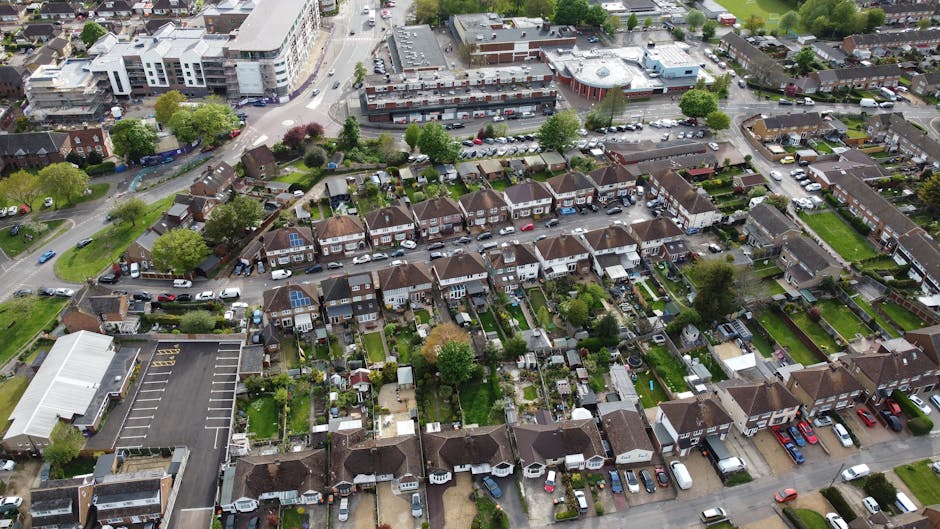
If you're trying to keep a city garden looking tidy, green, and genuinely usable, local gardeners serving Newington Butts and Walworth Road can make a bigger difference than people sometimes expect. In an area where outdoor space may be compact, overlooked, windy, or shared, the right help keeps everything manageable without turning your weekends into a second job. Whether you need routine upkeep, a one-off tidy-up, or a fuller redesign, local knowledge matters. It saves time, avoids guesswork, and usually leads to better decisions for the space you actually have.
Below, you'll find a practical guide to how local gardening support works, what it can include, and how to choose the right approach for your garden. We'll also look at common mistakes, useful tools, and a few real-world examples so you can judge what's worth doing now and what can wait until later. Let's face it, not every garden needs the same fix.
Why Local gardeners serving Newington Butts and Walworth Road Matters
Gardening is local in a very literal sense. Soil, shade, wind, foot traffic, bin access, and the shape of a frontage all affect what will thrive. Around Newington Butts and Walworth Road, gardens often sit close to roads, walls, fences, or neighbouring properties, which means the maintenance plan has to be realistic rather than idealistic. A plant that looks lovely in a brochure may struggle beside a hot wall or in a draughty corner.
That's where nearby gardeners earn their keep. They spot the patterns quickly. Which bed gets morning sun? Which border floods after heavy rain? Where is the patio going green every winter? Small observations like that save money because they stop you from investing in the wrong fix. A local team also tends to understand the pace of the area. Not every job can wait for a perfect weather window. Sometimes you need the hedge cut, the lawn revived, or the path cleared before guests arrive at the weekend.
There is also a trust element. With local gardeners, you're more likely to get a practical conversation rather than a sales script. They can explain what will genuinely improve the space and what's cosmetic only. If a garden needs long-term work, a proper garden maintenance plan is often better than chasing a single dramatic "before and after" moment.
Expert summary: the best local gardening help is not just about cutting things back. It is about reading the space properly, choosing the right jobs in the right order, and keeping the garden manageable all year round.
How Local gardeners serving Newington Butts and Walworth Road Works
In practice, local gardening support usually starts with a short assessment. That might be an in-person visit or, for simpler work, a quick discussion of the main issues. A good gardener will look at access, the condition of the lawn, pruning needs, weeds, patios, fencing, tree work, and whether the layout itself is helping or hindering you.
From there, the job usually falls into one of three buckets: routine maintenance, corrective work, or improvement work. Routine maintenance is the tidy, repeatable stuff such as mowing, edging, weeding, trimming, feeding, and clearance. Corrective work is about recovering neglected space, dealing with overgrown hedges, or bringing a tired garden back under control. Improvement work is the more creative end of the scale: reshaping beds, improving privacy, adding structure, or creating more usable outdoor space.
For many households, a mixed approach works best. For example, you might need regular lawn mowing during the growing season, occasional hedge trimming, and a seasonal tidy that keeps everything from drifting into chaos. If the space has tired surfaces or slippery paving, patio cleaning can make the whole area feel safer and brighter in one go.
The best part? Once a garden is under control, upkeep usually becomes easier. Not effortless. Just easier. There's a difference.
Key Benefits and Practical Advantages
Local gardening services are not only about appearance. The practical benefits are often more valuable than the visual ones, especially in built-up parts of London where outdoor space is precious.
- Time saved: regular maintenance stops small tasks turning into major jobs.
- Better plant health: correct pruning, feeding, and watering habits reduce stress on shrubs, lawns, and borders.
- Safer spaces: cleared paths, managed hedges, and repaired boundaries reduce trip hazards and awkward access issues.
- Improved use of space: clever layouts can turn a cramped yard into somewhere you actually want to sit.
- Lower long-term costs: early intervention is usually cheaper than letting problems build up.
- More privacy: well-chosen planting or boundary work can soften sightlines from the street or neighbouring properties.
There's also a subtle quality-of-life benefit that people underestimate. A garden that is easy to look after tends to get used more. You notice it in the morning with a cup of tea, or on a mild evening when you suddenly think, "Actually, I could sit out here." That's not a small thing.
If your outdoor area is part garden, part social zone, it can help to think beyond plants alone. A simple redesign may involve landscaping support, better boundary definition through fencing, or even a new decked area through decking services. Sometimes the biggest improvement is not greener. It's more usable.
Who This Is For and When It Makes Sense
This kind of local garden support suits a wide range of people. If you're a homeowner trying to keep on top of a busy family garden, you may need regular visits to stay ahead of weeds and overgrowth. If you're a landlord or managing a rental, a dependable local gardener helps keep the property presentable between tenancies. If you're in a flat with a small courtyard or shared outdoor area, a lighter maintenance schedule can still make a surprisingly big difference.
It also makes sense if your garden has a few specific issues that keep coming back. For example, maybe the front hedge grows too fast, the lawn thins out every winter, or the patio gets slippery and mossy. In cases like that, targeted support is usually smarter than waiting until the whole space looks tired. That said, if you're planning more than a tidy-up, it may be worth exploring broader gardening services so you can bundle tasks together.
A local gardener is also a good fit when you do not have the time, tools, or energy to manage everything yourself. Truth be told, a lot of people can prune a shrub. Not everyone wants to haul green waste, sharpen blades, and then figure out where the clippings should go.
Step-by-Step Guidance
If you're deciding how to move forward, a simple process helps. It keeps the work focused and avoids those frustrating jobs that lead nowhere.
- Walk the garden slowly. Look for clutter, weak plants, patches of bare soil, uneven levels, and anything that feels awkward to use.
- Separate urgent issues from wish-list ideas. A broken fence is urgent. A new herb bed is lovely, but it may not need doing first.
- Decide what needs recurring care. Lawns, hedges, and certain borders usually benefit from a schedule rather than one-off attention.
- Identify structural problems. Poor drainage, broken paving, or an overgrown tree canopy can affect almost everything else.
- Set the priority order. Safety, access, and plant health usually come before decoration.
- Choose the right services. For recurring grass care, a lawn care service may be more useful than an occasional cut alone.
- Review the garden seasonally. Spring, late summer, and autumn usually reveal different issues, and the plan should adapt.
If your garden is badly overgrown, start with control before styling. That sequence matters. It's tempting to jump straight to flowers and finishing touches, but if the base is untidy, the whole job feels half done.
Expert Tips for Better Results
Good gardens usually come from a series of small sensible decisions. Not grand gestures. Here are a few things that tend to pay off.
1. Work with the site, not against it. If one side of the garden is shaded most of the day, choose plants that tolerate lower light rather than fighting nature with constant replacements. For awkward shade, evergreens and climbers can do a lot of heavy lifting, as explained in this guide to evergreen climbers.
2. Keep the structure simple. A few strong shapes usually look better than lots of tiny, competing features. That's especially true in smaller urban gardens, where visual clutter can make a space feel even tighter.
3. Use the right planting layers. Tall structure, mid-height shrubs, and low ground cover create balance. If you want a more resilient and lower-maintenance feel, the idea of layered planting is worth exploring alongside ground cover plant ideas.
4. Don't ignore the hard surfaces. Mossy paving, dirty decking, and stained slabs quietly drag down the whole look of the garden. They also create slips, which nobody wants in January.
5. Think in seasons. A garden that looks good in June but miserable in February needs a better plan. Winter structure, evergreen interest, and resilient boundaries are all worth thinking about early.
A small but useful habit: take a couple of photos of the garden every few months. It sounds almost too simple, but it helps you spot what is really changing. The messy corner you no longer notice? The camera will notice it.

Common Mistakes to Avoid
People rarely damage a garden with one dramatic mistake. More often, the problems come from a chain of small oversights. A few of the most common ones are below.
- Over-pruning hedges and shrubs: cutting too hard at the wrong time can damage shape and growth.
- Ignoring the lawn's underlying condition: if grass is thin, compacted, or patchy, mowing alone will not fix it.
- Using the wrong plant for the light level: a sunny-border plant in a shaded yard will keep struggling, no matter how lovingly you water it.
- Leaving weed control too late: small weeds are easier to manage than large established ones, every single time.
- Focusing on decoration before structure: if drainage, access, or boundaries are poor, the garden will keep feeling awkward.
- Neglecting boundary safety: loose panels, poor visibility, or unstable trees can become serious issues in windy weather.
Another one that people forget: not matching the garden to their lifestyle. A very high-maintenance design can look brilliant on paper and become a burden by mid-summer. That's not a failure of taste. It's just reality.
Tools, Resources and Recommendations
You do not need a shed full of expensive gear to keep a city garden in shape, but the right basics make things easier. A clean pair of secateurs, a sturdy rake, a sharp mower, and decent gloves go a long way. For many households, though, the more important "resource" is a reliable schedule rather than a specific tool.
If you enjoy doing some of the work yourself, keep an eye on a few practical topics. A good starting point is essential gardening tools, because it helps you avoid buying things you'll barely use. Another useful angle is soil and waste handling. Composting, mulching, and sensible green waste removal all support healthier growth. The article on organic waste and fertile landscapes is a good reminder that what you remove can often become something useful elsewhere in the garden.
For more specialist work, the right support makes all the difference. That may mean tree surgery for overextended branches, or hedge trimming when a boundary has become too bulky for its own good. If you're looking for broader improvement rather than routine upkeep, a landscape-led approach can add shape and purpose to the whole garden.
Law, Compliance, Standards, or Best Practice
For garden work in London, it's wise to keep compliance simple and sensible. You do not need to become a rules expert, but you do need to respect a few practical boundaries. Tree work near boundaries, for example, should be handled carefully because branches, roots, and stability can affect neighbouring properties. Waste also needs to be managed responsibly. Green waste should not be dumped informally, and work should be carried out in a way that avoids nuisance to neighbours.
If a garden includes fencing, raised structures, or heavier landscaping elements, good practice is to make sure everything is stable, weather-aware, and appropriate for the space. In exposed spots, it helps to think about wind resistance, which is why some homeowners look into wind-resistant fence panel features before replacing boundary elements. Likewise, if planting is used for screening, it should be chosen with care rather than just speed. Fast growth is useful, but only when it suits the site and can be maintained properly.
Best practice, in plain English, means this: do the job safely, avoid blocking light or access unnecessarily, keep neighbours in mind, and choose materials and planting that make sense for a typical SE1 garden. Sensible, not flashy. That usually wins in the long run.
Options, Methods, or Comparison Table
When people first look for gardening help, they often assume it's a single service. In reality, there are several ways to approach the same outdoor space. Here's a useful comparison.
| Approach | Best for | Advantages | Limitations |
|---|---|---|---|
| Regular maintenance | Ongoing upkeep, lawns, hedges, weeds | Keeps the space consistent and prevents buildup | Less dramatic visual change at first |
| One-off tidy-up | Neglected gardens or pre-event cleanups | Fast improvement and immediate visible impact | Problems often return without follow-up care |
| Targeted work | Specific issues such as fences, trees, or patios | Focuses budget where it matters most | May not solve wider layout problems |
| Full redesign | Spaces that feel unusable or outdated | Can transform function, flow, and appearance | Takes more planning and usually more time |
For a lot of Newington Butts and Walworth Road gardens, a mixed method works best. You might start with a tidy-up, then move into maintenance, then add one or two upgrades that make the space easier to live with. The trick is not to do everything at once unless you really need to.
Case Study or Real-World Example
Imagine a narrow back garden with patchy grass, a hedge that has gone leggy, and paving that turns slick after rain. Nothing unusual there. The owner wants somewhere calm to sit after work, but the space feels more like a storage lane than a garden.
A practical local response would begin with clearance and assessment. The hedge gets trimmed back to restore shape. The paving is cleaned so the surface is safe and the space brightens up immediately. The lawn is reviewed for shade, wear, and soil condition. If the grass is not realistic to maintain as a feature, the better move may be to reduce its size and introduce planting or hard landscaping that suits the conditions. If the boundary is weak or too open, a fence upgrade may help restore privacy and reduce wind issues.
That sort of job rarely ends with a single grand gesture. More often, it ends with a better rhythm: the space feels lighter, easier to manage, and more pleasant to use on an ordinary Tuesday evening. Not glamorous. Just good. And that's usually what people actually want.
Practical Checklist
Before you book any local garden work, run through this list. It keeps conversations clearer and helps you avoid paying for the wrong thing.
- Identify the main problem: maintenance, repair, improvement, or all three.
- Walk the garden and note shady areas, wet areas, and overgrown sections.
- Decide which jobs are urgent and which can wait.
- Check whether the lawn needs care, not just cutting.
- Look at hedges and boundaries for safety, privacy, and shape.
- Review hard surfaces for moss, staining, or trip hazards.
- Think about how you actually use the space during the week.
- Consider whether a structural change would make maintenance easier.
- Ask for a plan that fits the garden, not a generic package.
- Set a seasonal follow-up routine so the garden does not slide back.
If you can answer those ten points with reasonable confidence, you're in a strong position. If not, no problem. That's exactly where a good local gardener starts to add value.
Get a free quote today and see how much you can save.
Conclusion
Local gardeners serving Newington Butts and Walworth Road do more than tidy outdoor space. They help you make better use of it. They bring local judgement, practical sequencing, and the kind of hands-on knowledge that comes from working with real London gardens, not abstract plans. In a small or demanding space, that difference is huge.
If your garden feels unfinished, overgrown, or just a bit hard to live with, the answer is rarely more effort from you alone. Usually it's a clearer plan, the right local support, and a steady approach that respects the space you have. Start with the most useful change, keep it simple, and build from there. Little by little, the garden begins to feel like part of home again.

With a talent for organization and meticulous attention to detail, Sydnee has established herself as a skilled professional gardener. Her contributions as an author have enriched the lives of many by enhancing their gardens.